



Ireland’s employment landscape is entering one of its most transformative periods in over a decade. New regulations on pay transparency, pensions, minimum wage, equality, AI oversight, and employee protections are reshaping how organisations hire, support, and engage their people.
While these updates bring compliance obligations, they also present a powerful opportunity to strengthen trust, transparency, and employee experience.
At Great Place to Work Ireland, we see every day how fairness, clarity, and communication influence organisational culture. When leaders approach employment law updates as a cultural accelerator, not just an administrative task, they see stronger engagement, retention, and employer brand outcomes.
Below is a breakdown of the key legal updates for 2025–2026 and what they mean for employers.
Minimum Wage Increase — A Moment to Strengthen Fairness & Trust
The National Minimum Wage increased to €13.50 per hour on 1 January 2025, with further adjustments expected in 2026 — a particularly important change for organisations with hourly-paid or shift-based teams. Now is a timely opportunity to conduct a pay-equity review, ensure consistency across pay structures, equip managers for clear and confident pay conversations, and strengthen transparent communication around pay decisions.
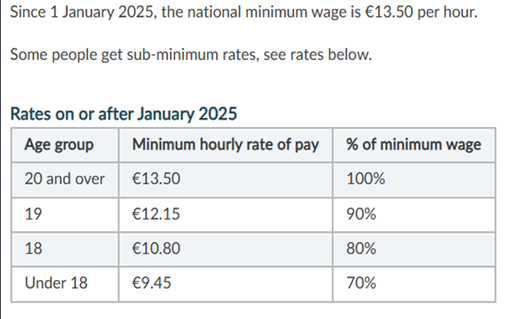
Tip for employers: If you offer performance-based pay, commission, or allowances, ensure that the base hourly rate still meets the new minimum wage requirements.
Sectoral Employment Orders (SEOs)
The Sectoral Employment Orders, most recently applied to the construction sector, carry implications well beyond construction, particularly for organisations relying on contracted or project-based labour. The latest SEO introduces a structured approach to improvements, including a 3.4% wage increase from August 2025, a further 3.2% rise in 2026, and enhanced pension and sick pay entitlements for eligible workers. Ensuring fairness and alignment with these standards not only supports compliance but also strengthens workplace climate, culture, and organisational reputation, making it essential for employers in construction and related sectors to review current rates and benefits against the updated requirements.
Automatic Pension Enrolment - Coming January 2026
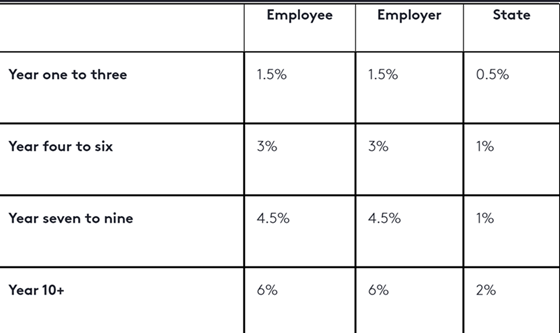
The Automatic Pension Enrolment Scheme, launching on 1 January 2026, marks one of the most significant shifts in Ireland’s retirement savings landscape. Under the new “My Future Fund” system - overseen by the National Automatic Enrolment Retirement Savings Authority - eligible employees aged 23 to 60 earning €20,000 or more will be automatically enrolled if they are not already in a workplace pension, with an online portal available for both employers and employees. Key features include:
- Equal contributions: employers and employees contribute the same percentage, with an additional State top-up.
- Portability: the fund follows the employee even if they change jobs.
- Opt-out flexibility: employees may opt out after six months and will be re-enrolled every two years.
With automatic enrolment set to transform how employees save for retirement, employers should begin reviewing:
- Payroll and HRIS systems
- Onboarding materials
- Employee communication strategies
- Manager capability and financial wellbeing initiatives
EU Pay Transparency Directive - A New Era of Openness
The EU Pay Transparency Directive (EU 2023/970) marks a major step toward pay fairness and gender equality, with Ireland required to implement it by 7 June 2026. Employers should begin preparing now, as the Directive introduces significant new obligations, including:
- Salary ranges in job advertisements
- Employee access to gender-based pay data
- Gender pay gap reporting by job category (including in-kind benefits)
- A ban on pay secrecy clauses
- Joint Pay Assessments where a pay gap of 5%+ remains unexplained for six months
These measures bring greater transparency into recruitment, pay structures, and progression. Transparency is one of the strongest drivers of organisational trust — giving leaders a real opportunity to redesign pay practices that champion fairness, equity, and clarity. Reviewing job adverts, salary frameworks, and bonus structures now will make future alignment far smoother.
Tip for employers: Reviewing job adverts, salary frameworks, and bonus structures now will make future alignment with the Directive much easier.
EU AI Act
The EU AI Act introduces a risk-based framework for the responsible use of artificial intelligence, and from August 2026, AI systems used in hiring, promotion, and performance evaluations will be regulated as high-risk technologies. Employers must ensure clear notice when AI is used, maintain mandatory human-in-the-loop oversight, and implement strong ethical governance processes, supported by training for HR teams and managers. These requirements mean organisations will need to demonstrate that AI-driven tools are fair, transparent, and free from bias — steps that not only support compliance with the Act but also strengthen employee trust by ensuring career-impacting decisions remain fundamentally human-led.
Gender Pay Gap
From June 2025, gender pay gap reporting will expand to include:
- Organisations with 50+ employees
- New leadership representation targets for listed companies
Under the EU Gender Balance on Boards Regulations 2025, which took effect on 29 May 2025, listed organisations must meet the following by 30 June 2026:
- 40% of non-executive director roles filled by the under-represented sex
- 33% of all director positions filled by the under-represented sex
- Annual progress reporting due each year by 30 November
These requirements offer leaders a valuable opportunity to demonstrate progress, reinforce accountability, and strengthen inclusion by communicating not just the numbers but also the meaningful actions and outcomes behind them. Employers should use this moment to clearly document their objectives and procedures for meeting the targets.
Maternity Protection & Employment Equality (2024)
Key updates to the Maternity Protection and Employment Equality Acts introduce important changes for 2025, including:
- Ability to postpone maternity leave in serious medical circumstances
- Extended maternity protections to members of the Oireachtas
- Restricted use of NDAs in harassment or discrimination cases unless employee-initiated and supported by independent legal advice funded by the employer
These updates strengthen psychological safety - a key cultural driver of innovation, engagement, and trust - and employers should review their HR and equality policies accordingly. Training managers on how to handle maternity-related queries will also be essential.
WRC Annual Report Trends (2024)
The 2024 WRC Annual Report highlights several important trends, including an 18% increase in complaints, more than €2.15 million in unpaid wages recovered, rising expectations around fairness and clarity, and a renewed focus on remote and flexible working practices. These patterns closely mirror GPTW survey insights, showing that employees increasingly prioritise transparency, consistency, and modern working arrangements.
Turning Compliance into Cultural Strength
Employment law changes will continue to accelerate - but organisations that approach them with transparency, communication, and a people-first mindset will emerge stronger.
By treating compliance as a catalyst for cultural improvement, employers can build workplaces where people feel supported, valued, and empowered to perform at their best.
If you’d like support navigating these changes or strengthening your culture during this period of evolution, we’re here to help.
Additional Resources — Previous Employment Law Guides
For a detailed look at last year’s employment law changes - including 2024 updates on maternity leave, gender pay reporting, WRC trends, and other key developments - watch the recording of last year’s webinar below.

- Employment Law Changes Guide 2024 – Key Updates for Employers
- Navigating Changes in Employment Law 2023
About Great Place to Work®
Great Place to Work® is the global authority on workplace culture. We help organisations quantify their culture and produce better business results by creating a high-trust work experience for all employees. We recognise Great Place to Work-Certified™ companies and the Best Workplaces™ in more than 60 countries.
To join the thousands of companies that have committed to building high-trust company cultures that help them attract, retain and take care of their people, contact us about getting Certified™ today.

%20-%20USE/RESOURCES/Webinars/Sales%20Webinar/October%202026/Sales%20Webinar%20October%202026%20event%20resource%20(2).png)
%20-%20USE/RESOURCES/Webinars/HR%20Webinars/Employment%20Law/FU%20hr%20Webinar%20September%202026.png)
.jpg)
.jpg)
-1.png)
 Blog
Blog