%20-%20USE/CTAs/RRP%2011026%200796.jpg)



What does it take to build an organisation that is ready for the future?
For many leaders, the answer lies not in technology, strategy, or structure alone, but in people. As organisations navigate changing workforce expectations, emerging technologies, and increasing pressure to remain competitive, talent development is becoming a strategic priority. The organisations best positioned for long-term success are those investing in growth before they need it, creating cultures where people can develop new skills, adapt to change, and build meaningful careers while helping the organisation evolve alongside them.
Talent Development Has Become a Business Strategy
The world of work is changing quickly, and organisations are being asked to respond to new challenges with greater speed, clarity, and resilience than ever before.
Technology is reshaping how work gets done. Employee expectations are evolving. Skills needs are changing. Competition for talent remains high. At the same time, organisations are under pressure to retain great people, strengthen performance, and prepare for a future that may look very different from the workplace they know today.
In this environment, talent development can no longer be treated as a reactive process. For many organisations, development has traditionally been linked to immediate business needs. Employees were trained for the roles they already held, leadership development was often tied to succession planning, and growth opportunities were introduced when a vacancy, skills gap, or business challenge became impossible to ignore.
That approach is becoming increasingly difficult to sustain. The organisations best positioned for long-term success are not waiting until they need leaders to begin developing them. They are building capability earlier, identifying potential sooner, and creating environments where employees can grow continuously throughout their careers.
This marks an important shift. Talent development is no longer simply about preparing people for promotion. It is about strengthening organisational readiness. Future-ready organisations understand that business resilience depends on people resilience. They cannot adapt to change if their employees are not equipped, supported, and trusted to adapt alongside them. They cannot build strong leadership pipelines without creating meaningful opportunities for people to develop. And they cannot retain talent if employees do not see a future for themselves within the organisation.
That connection between growth and retention is becoming increasingly important, with career development now recognised as a strategic investment in long-term success rather than a standalone employee benefit. Organisations that nurture talent from within and create clear pathways for progression are better positioned to retain people, strengthen engagement, and build the capabilities needed for the future.
Moving From Reactive to Proactive Development
One of the most significant shifts taking place across organisations is the move from reactive talent management to proactive development. Reactive approaches often focus on solving immediate problems. A role becomes available, so a successor is identified. A skills gap appears, so training is introduced. An employee expresses dissatisfaction, so development conversations begin. While these responses may address short-term needs, they rarely create the depth of capability required for sustainable growth.
Proactive development takes a different approach. It asks organisations to look ahead. What skills will people need in the future? Where does leadership potential already exist? How can employees be supported before they become disengaged? What structures are needed to help people grow with intention rather than by chance?
This requires development to be embedded into the organisation’s wider people strategy. It also requires a deeper understanding of employees as individuals. People do not all develop in the same way, at the same pace, or towards the same goals. Some may be preparing for leadership. Others may want to deepen their expertise, move across functions, build confidence, or develop new capabilities that allow them to respond to changing business needs. Effective development strategies recognise these differences. They create pathways that are structured enough to support organisational goals, but flexible enough to reflect individual strengths, ambitions, and circumstances. This may include coaching, mentoring, learning programmes, career conversations, stretch assignments, project opportunities, and formal leadership development frameworks.
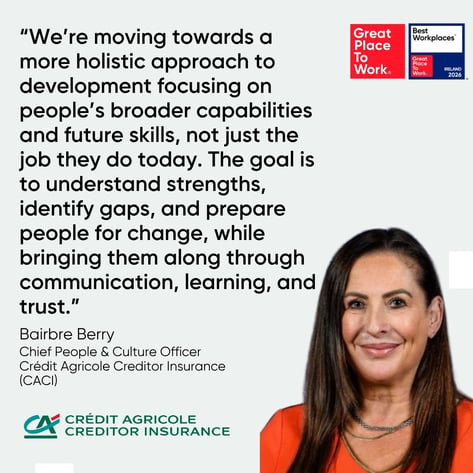
This is exactly the approach many leading organisations are taking. At Crédit Agricole Creditor Insurance (CACI), development is built around identifying potential early rather than focusing solely on current performance. Through talent reviews, career conversations, coaching, mentoring, stretch assignments, and targeted development opportunities, employees are supported to build skills and prepare for future opportunities long before a promotion becomes available. As Bairbre Berry, Chief People and Culture Officer of CACI, explains - leadership development requires a holistic approach that combines learning with practical experience, mobility, and ongoing support to help people grow throughout their careers
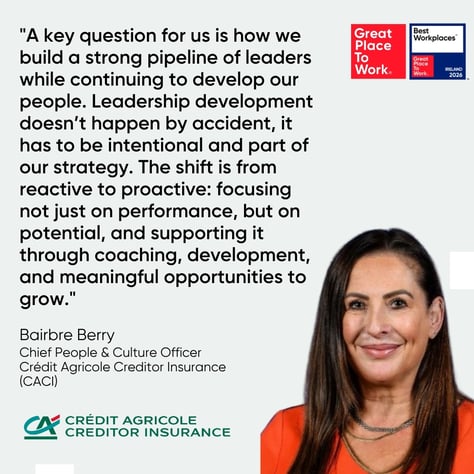
What matters most is that development is intentional. It does not happen by accident. It requires time, investment, consistency, and commitment from leaders across the organisation. It also requires a culture where growth is not reserved for a select group, but is made visible and accessible across the business.
This broader view reflects the reality that future success will depend on more than technical performance in a current role. Organisations need people who can adapt, communicate, collaborate, learn, and lead through change.
Preparing People for Work That Is Still Evolving
Many of the roles, skills, and leadership challenges that will define the future workplace are still emerging. AI, automation, hybrid working, changing customer expectations, and evolving employee priorities are reshaping how organisations operate. In this context, it is no longer enough to develop people solely for the jobs they hold today.
Organisations need to prepare people for work that is still changing. That means focusing on broader capabilities: adaptability, resilience, communication, emotional intelligence, critical thinking, and learning agility. These are the skills that help employees navigate uncertainty, respond to new challenges, and continue developing as the organisation evolves.
This also changes the way organisations think about leadership. Leadership is not only about managing teams or stepping into senior roles. It is about influence, decision-making, communication, accountability, and the ability to bring people through change. These capabilities can and should be developed across the organisation long before someone holds a formal leadership title.
Organisations that develop leaders successfully often recognise that leadership capability needs to be built differently at different stages of a career. At The Doyle Collection, development is tailored to the responsibilities employees are preparing for. First-time supervisors receive training in people management, communication, operational awareness, and financial fundamentals, while middle managers and senior leaders participate in more advanced programmes, coaching, and peer learning opportunities designed to strengthen broader business and leadership capabilities. This structured approach helps ensure development remains continuous rather than being reserved for senior leadership positions alone.
For Alan Smullen, leadership development is also about ensuring culture remains consistent as organisations grow. At The Doyle Collection, programmes such as Culture Works bring leaders together to discuss real business challenges, learn from one another, and translate organisational values into everyday behaviours. By creating shared development experiences across different levels of leadership, organisations can help ensure culture is not simply communicated, but actively lived throughout the business.
The organisations taking this seriously are creating learning environments where development is continuous rather than episodic. Instead of relying only on annual reviews or occasional training sessions, they are embedding growth into everyday work through regular feedback, coaching conversations, peer learning, and opportunities to apply new skills in real contexts.
This is where learning and development becomes closely connected to culture. When organisations prioritise learning as part of the employee experience, they strengthen not only individual capability but also engagement, collaboration, confidence, and trust.
Development becomes part of how the organisation works, rather than something separate from day-to-day performance.
Discover what sets Ireland's Best Workplaces™ apart 👇

Purpose Gives Development Direction
Development is most powerful when employees understand what their growth is contributing to. People want opportunities to progress, but they also want meaning. They want to understand why their work matters, how their role contributes to the organisation’s success, and what larger purpose they are helping to serve.
Purpose gives development direction. Without it, growth can feel transactional. Employees may attend training, gain new skills, or move into new roles without feeling truly connected to the organisation’s mission. But when development is linked to purpose, employees can see how their growth supports something bigger than individual progression.
At CACI, that purpose is rooted in protecting customers during life's most vulnerable moments. By connecting learning and development to the real impact employees have on customers experiencing illness, injury, or financial hardship, development becomes more meaningful than a compliance exercise. Employees can see how their own growth contributes to a broader mission, creating stronger alignment between individual development and organisational success
This creates stronger alignment between personal ambition and organisational goals. A clearly defined purpose also helps organisations create consistency. It shapes leadership behaviours, employee experience, customer experience, and culture. It gives people a shared language and a shared sense of direction, particularly during times of change.
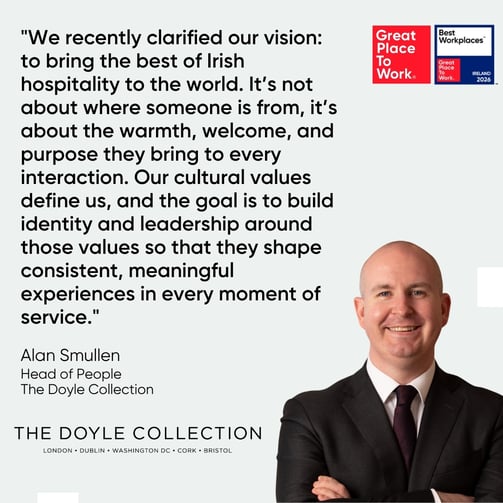
This kind of purpose helps employees understand not only what they are doing, but how they are expected to show up in their work. It connects behaviour to identity. It gives leaders a clearer foundation for decision-making. It also helps employees feel part of something shared, rather than simply performing a set of tasks.
Purpose becomes especially important during periods of transformation. When organisations are changing, employees need clarity. They need to understand what is staying consistent, what is evolving, and how they fit into the future. A strong sense of purpose can provide stability while still allowing the organisation to adapt.
Culture Determines Whether Development Works
A strong development strategy will only succeed if the culture supports it. Organisations can create excellent learning programmes, leadership frameworks, and development pathways, but employees are unlikely to fully engage with them if they do not feel trusted, supported, or safe to grow.
Development requires vulnerability. Employees need to be able to ask questions, admit gaps, seek feedback, try new approaches, and sometimes make mistakes. If the culture punishes failure, discourages openness, or treats development as a weakness rather than an opportunity, people are far less likely to engage meaningfully.
This is why trust is so central to effective development. High-trust workplaces create the conditions where people can learn. Employees are more likely to take on stretch opportunities when they know they will be supported. They are more likely to seek feedback when they believe it will be constructive. They are more likely to contribute ideas when they feel their voice is valued.
Culture is also strengthened through opportunities for connection and belonging. At CACI, employee-led initiatives such as the Culture & Values Club bring colleagues together around diversity, community engagement, and cultural celebrations. These experiences help foster trust, inclusion, and connection across a highly international workforce, creating an environment where people feel comfortable contributing, learning, and growing.
Feedback is particularly important. Organisations cannot build effective development strategies without listening to employees. They need to understand what people are experiencing, where barriers exist, what support is missing, and what opportunities employees are looking for.
Listening, however, is only the first step. Employees need to see that their feedback leads to meaningful action. When organisations turn employee feedback into meaningful improvements, they strengthen trust and create a culture where people feel more confident contributing to the organisation’s future.
This matters because development is not something that happens only between an employee and their manager. It is shaped by the wider culture around them. Are employees encouraged to grow? Are managers equipped to support development conversations? Are opportunities visible and accessible? Are people recognised for learning, not just delivering? Are leaders modelling the behaviours they want to see across the organisation? When the answer to these questions is yes, development becomes embedded into the employee experience.
The Real Risk Is Not Developing People
One of the most familiar concerns around employee development is the fear that organisations may invest in people only for them to leave. It is an understandable concern, particularly in a competitive talent market. Training, coaching, and leadership development require time and resources. Organisations want to know that investment will have an impact.
But the greater risk is not developing people and having them leave anyway or, alternatively, having them stay disengaged, underprepared, or unable to meet future business needs.
Alan Smullen argues that leadership development cannot be treated as a side project. At The Doyle Collection, investment in development spans every stage of leadership, from first-time supervisors learning the fundamentals of people management to senior leaders participating in coaching, peer learning, and 360-degree feedback. This reflects a belief that leadership capability must be built continuously if organisations are to remain adaptable and resilient.
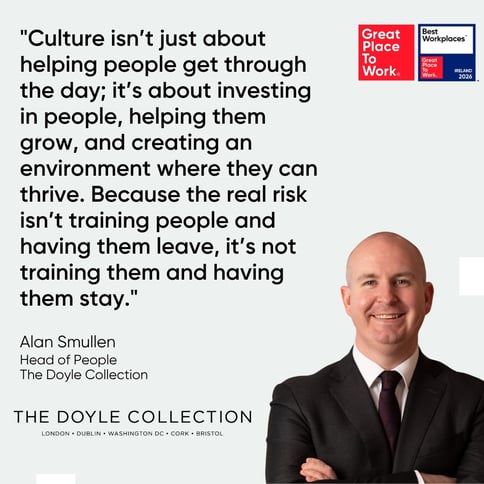
Allan's point reflects a broader reality facing organisations today. Employees are increasingly looking for workplaces where they can learn, grow, and feel supported throughout their careers. While development opportunities matter, they are most effective when they exist within a culture built on trust, recognition, and meaningful employee experiences. Organisations that understand why culture is key to retaining talent are often better positioned to create environments where people choose to stay, contribute, and continue developing over the long term.
This challenges an outdated view of development as a risk. In reality, a lack of development is often a far greater threat to engagement and long-term commitment. Employees increasingly expect opportunities to grow, learn, and progress. When those opportunities are absent, they can begin to feel stagnant or disconnected from the organisation's future.
Investing in development sends a clear message: you have a future here. That message matters. It strengthens trust, builds commitment, and helps employees see their own growth as part of the organisation's growth.
It also strengthens the business. Organisations that invest in development are better prepared for succession, change, innovation, and future skills needs. They are less dependent on external hiring to fill leadership gaps, more likely to retain institutional knowledge, and better equipped to adapt because they have already invested in the people who will help lead that adaptation.
Building Organisations That Can Grow Through Change
Future-ready organisations are not simply reacting to change as it happens; they are preparing their people to grow through it. That requires more than individual training programmes. It requires a connected approach to talent development, culture, purpose, feedback, and leadership.
Employees need opportunities to build skills. They need leaders who support their development. They need feedback that helps them grow. They need a clear understanding of how their work contributes to a broader purpose. Most importantly, they need a culture where learning is encouraged, trust is embedded, and growth is seen as a shared responsibility rather than an individual pursuit.
As organisations continue to navigate changing workforce expectations, emerging technologies, and evolving business priorities, the connection between employee experience and organisational success will only become stronger. The organisations best positioned for the future will be those that invest in people intentionally, create meaningful opportunities for development, and build cultures where individuals feel empowered to reach their potential.
Ultimately, talent development cannot be left to chance. The organisations that succeed in the years ahead will be those that identify potential early, nurture it consistently, and create environments where people are supported to learn, adapt, and thrive throughout their careers. Because sustainable success is not built through strategy alone. It is built through people, and through cultures that give those people every opportunity to grow.
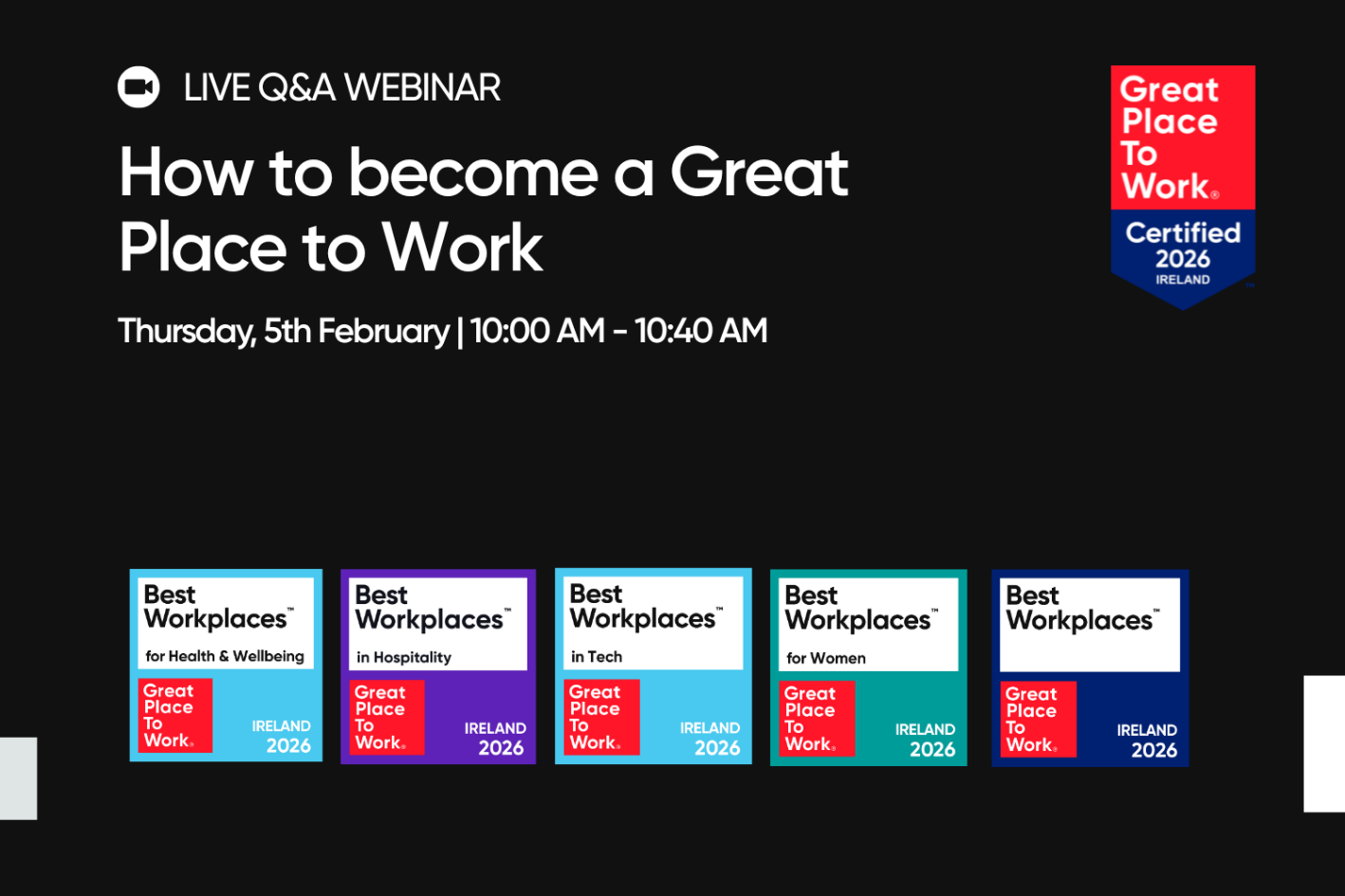
Curious about how Certification™ can help you better understand your employee experience and identify opportunities to strengthen culture, development, and retention? Join our upcoming live webinar to learn more. 👇
About Great Place to Work®
Great Place to Work® is the global authority on workplace culture. We help organisations quantify their culture and produce better business results by creating a high-trust work experience for all employees. We recognise Great Place to Work-Certified™ companies and the Best Workplaces™ in more than 60 countries. To join the thousands of companies that have committed to building high-trust company cultures that help them attract, retain and take care of their people, contact us about getting Certified today.

%20-%20USE/RESOURCES/Webinars/Sales%20Webinar/October%202026/Sales%20Webinar%20October%202026%20event%20resource%20(2).png)
%20-%20USE/RESOURCES/Webinars/HR%20Webinars/Employment%20Law/FU%20hr%20Webinar%20September%202026.png)
.jpg)
.jpg)
-1.png)
 Blog
Blog